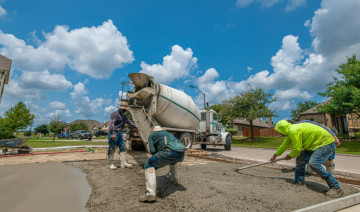
As summer begins to wind down, contractors often find themselves balancing packed schedules with unpredictable weather. August can bring intense heat, sudden thunderstorms, high humidity, and changing daylight hours—all of which can impact jobsite safety, material performance, and overall productivity.
With proper planning and a proactive approach, contractors can minimize weather-related delays while keeping crews safe and projects moving forward. Here are several strategies to help prepare jobsites for late-summer conditions.
One of the simplest ways to combat summer heat is by adjusting the work schedule. Beginning outdoor tasks earlier in the morning allows crews to complete physically demanding work before temperatures reach their peak.
When possible:
Working around the weather helps maintain productivity while reducing heat-related risks.
Heat stress is one of the most common safety concerns during late summer. Contractors should encourage regular hydration throughout the day rather than waiting until workers feel thirsty.
Additional ways to reduce heat-related illness include:
A healthy crew is a productive crew, and prioritizing safety helps prevent unnecessary downtime.
Late-summer weather can change quickly. Thunderstorms often develop with little warning, making it important to review forecasts before work begins and throughout the day.
Pay attention to:
Having a backup plan for indoor work or alternative tasks can help keep projects on schedule when outdoor work must pause.
Many construction materials can be affected by prolonged exposure to heat, moisture, or direct sunlight.
Take precautions by:
Proper storage helps reduce waste and ensures materials perform as intended during installation.
Construction equipment works hard during the busiest months of the year. Mid-season inspections can help prevent unexpected breakdowns.
Inspect:
Routine maintenance keeps equipment operating efficiently and reduces costly interruptions.
Even brief storms can create unsafe jobsite conditions.
Before storms arrive:
After the storm passes, inspect the site for standing water, damaged materials, and safety hazards before resuming work.
Good housekeeping becomes even more important during storm season.
A well-organized site:
Daily cleanup also helps crews start each morning more efficiently.
Late-summer is often one of the busiest construction periods of the year. Delays in material deliveries can slow entire projects.
To stay ahead:
Strong communication with suppliers helps minimize disruptions.
Despite careful planning, weather delays are sometimes unavoidable. Successful contractors build flexibility into project schedules and communicate proactively with clients about changing conditions.
Maintaining realistic timelines and preparing contingency plans allows projects to continue moving forward with minimal disruption.
Late summer presents unique challenges, but it also offers valuable opportunities to complete projects before cooler weather arrives. By prioritizing safety, protecting materials, maintaining equipment, and staying prepared for changing conditions, contractors can improve productivity while delivering quality results.
A little preparation today can make the busiest weeks of the season safer, smoother, and more successful.